
WHAT IS A SUSTAINABLE GARDEN?
Updated: Jul 22
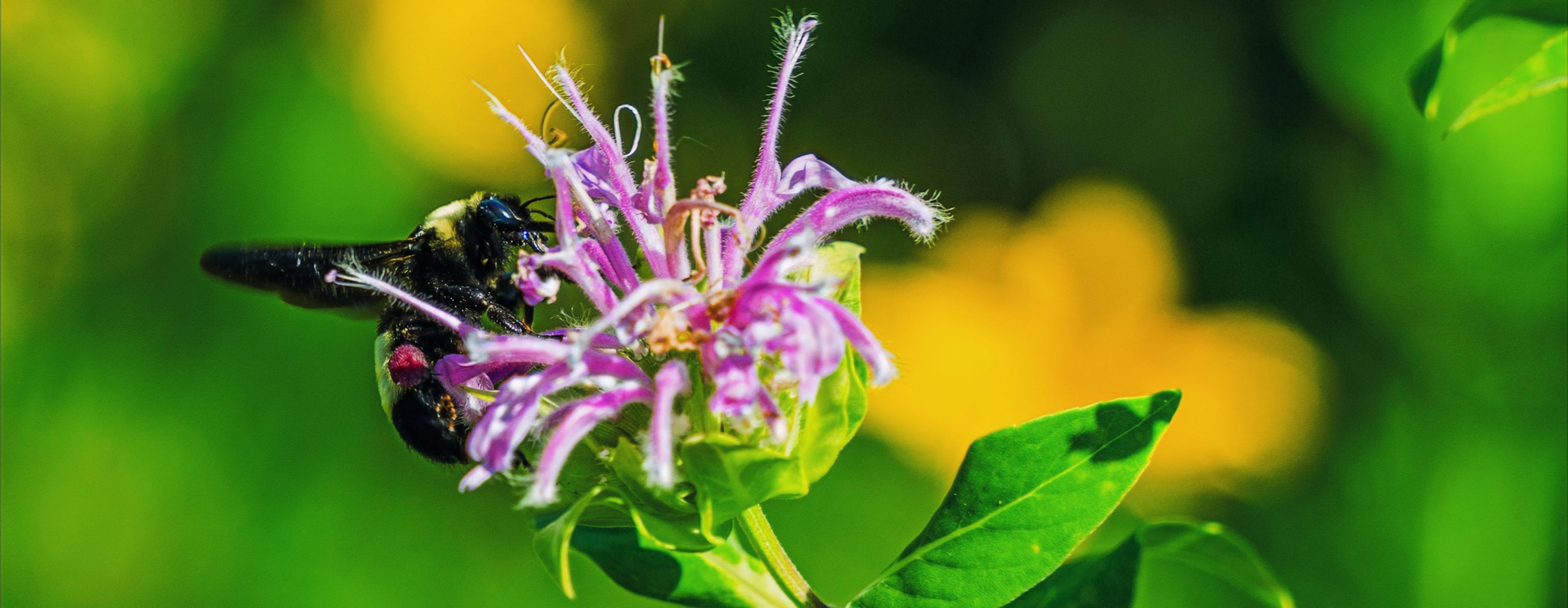
A sustainable garden is built to survive and thrive in its conditions and work in harmony with nature. There is no such thing as a no maintenance garden, but a sustainable garden requires less maintenance and can help mitigate the effects of a changing climate.
Want to make your garden more sustainable? Here are three categories to consider.
Water
There’s a finite amount and it seems to come all at once or not at all, so it’s important to have a plan of how to manage it in the garden.
· Save it for a rainy (or not so rainy) day. Capturing rainwater is easy and the roof of your house or any structure on your property is a great way to get it. There’s a wealth of DIY videos on YouTube about how to build your own, check if your city or town offer them, or check out the myriads of retail options.
· Slow, spread, and sink. A rain garden is a landscaped, depressed area that can hold excess water until it has time to sink and spread into the soil. The provides a better reservoir of water for plants and prevents excess runoff into other areas.
· Responsible irrigation. If you have an irrigation system, have it checked by a qualified professional to make sure the settings are optimal for your landscape. If you’re considering an irrigation system, drip is more efficient than spray.
Pesticides and Chemicals
A sustainable garden is more ecologically balanced. When nature has a hand on the wheel, it often finds a way to resolve pest and disease problems and pesticides aren’t needed. Gardens that are pesticide free are filled with life including insects and mammals. Here’s how to get that balance back in your outdoor space.
· Feed the soil. One of the most important things we can do as gardeners is to incorporate organic matter into our soil, so it has the nutrients, organisms, and structure our plants need and eliminate the need for additional fertilizer.
· Know your enemy. Before you reach for a bottle of insecticide or fungicide (organic or inorganic), know what you’re up against. There are tons of great information online to help you diagnose a problem. If all else fails, the team at your local county extension service can help. Many can diagnose a problem with just a few pictures and help you determine a course of action.
· Lawn. No clever headline here. The conversation about lawns and the Americans who love them is like navigating a mine field. Lawns are nutrient-hungry water hogs. The cool season grass which surrounds most of our homes is great fuel for the Thoroughbreds of Kentucky, but not so much for the invertebrates and mammals that share our residential environments. Lawns provide great opportunities for socialization and recreation. There are ways to live with lawns with better ecological outcomes by reducing the amount of lawn around your home, and planting alternatives to traditional turf grass.
More Plants
Native or exotic, trees, shrubs, and perennials provide better ecological outcomes. Here are some guidelines to choose plants that support your sustainable garden goals, while creating a beautiful, vibrant garden that will be the envy of everyone you know.
· Natives or Exotic. There are so many classifications of plants based on their origin and many opinions on which one are the “right” ones. If you have existing gardens, small changes can have big impact. Natives are sustainable choices because they have evolved in a place for thousands of years and are programmed for specific climate and ecological conditions in that area. Invertabrates have evolved using them for food and shelter, so you’ll find your gardens become very popular once you start adding native plants.
· Layering. A layered garden provides visual interest along with great habitat for insects, birds, and small mammals. Look at the canopy layer first. That great old oak tree that provides shade on a sunny day or a sugar maple that turns vibrant red in the fall. Then add an understory layer of small trees and shrubs. Along with your canopy layer trees, these are the bones of your garden. The understory tends to get ignored, but it can be the difference maker in a garden. Then look at perennials. This is category that gets the most attention since it’s most closely tied to flowers. Perennials are not only a great way to get color and attract pollinators, but they have also varied root depths that help with excess water and erosion. The final layer is groundcover. There are so many great options for this layer beyond beds of pachysandra and vinca. A great native ground cover can provide visual interest, act as a green mulch (preventing weeds), and prevent erosion.
Sustainable changes to your garden can make a big impact in your own garden and the larger ecosystem. Start small and start simple. You’ll be seeing the benefits in your garden in no time.
